
You can’t see them. You can’t taste them. You probably don’t even think about them. Yet microplastics may be making their way into your drinking water every single day.
These tiny plastic particles have become one of the most talked about water quality concerns in recent years, and Tampa Bay is no exception. While they’re often invisible to the naked eye, growing research has many homeowners asking an important question: What’s really in my water?
Let’s explore what microplastics are, where they come from, and what you can do to better understand your home’s water quality.
Key Takeaways:
- Microplastics are tiny plastic particles found in water sources worldwide.
- Common sources include clothing, packaging, and plastic waste.
- Most microplastics aren’t visible without testing.
- Specialized filtration can help reduce them in your home’s water.
What Microplastics Actually Are
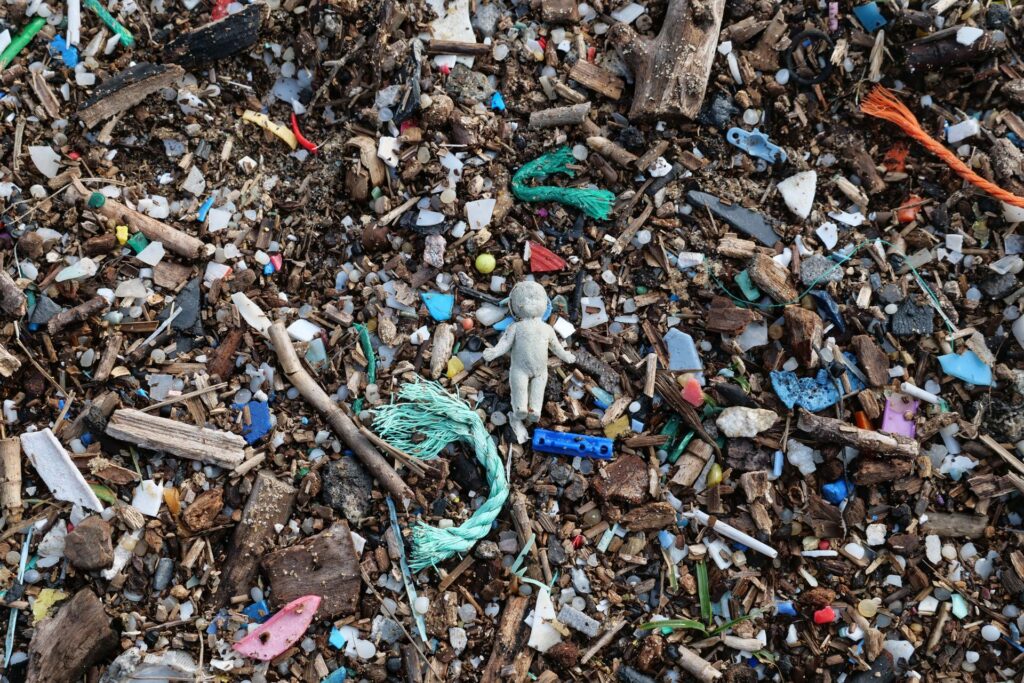
“Microplastic” sounds technical, but the concept is simple. These are plastic particles smaller than five millimeters, about the size of a sesame seed. Some are even tinier than that, invisible to the naked eye and measured in micrometers.
They don’t come from one single source. Instead, they’re the byproduct of nearly everything plastic we use, wash, and throw away. Some common culprits are:
#1. Breaking-Down Plastic Waste
Bottles, bags, containers, and packaging don’t disappear once they’re tossed out. They break down into smaller fragments over time, eventually becoming microplastics that travel through soil and water systems.
#2. Synthetic Clothing
Every time a polyester or nylon garment goes through the wash, it sheds tiny synthetic fibers. These fibers are so small that most wastewater treatment systems aren’t designed to filter all of them out.
#3. Personal Care Products
Some exfoliants, cosmetics, and cleaning products once contained tiny plastic beads called microbeads. Regulations have curbed their use, but residue and older products still contribute to the problem.
#4. Tire Wear and Road Runoff
As tires wear down on the road, they release tiny plastic and rubber particles. Rain washes these into storm drains and, eventually, into the waterways that feed our region’s water sources.
How Do They End Up in Tampa Bay’s Water?
Florida’s geography makes us especially vulnerable. Our rivers, springs, and groundwater are all connected, often sitting closer to the surface than in other states.
That means runoff, stormwater, and wastewater have a shorter path before reaching the sources that supply our tap water. Plus, add in our heavy rainy seasons and coastal flooding, and microplastics that might otherwise stay contained have far more opportunities to move through soil, into the aquifer, and finally into the water you and your family drink.
Why Microplastics Matter
Researchers are still studying the full impact of microplastics on human health, but early findings raise real concerns. Some studies suggest microplastics can carry chemical additives and pick up other contaminants as they travel through water systems, and scientists are working to understand what that means for the body over time.
For Tampa Bay homeowners, the bigger issue right now is awareness. Most public water testing doesn’t routinely screen for microplastics, which means your water could meet every official safety standard and still contain them.
How Water Filtration Can Help
While microplastics have become a growing concern, the good news is that modern water treatment technology can help reduce many of the particles and contaminants that may be present in your home’s water.
At One Green Filter, we don’t believe in one-size-fits-all solutions. We start with a professional water test to identify what’s actually in your water. From there, our team recommends a customized filtration system designed around your family’s specific needs and concerns.
Depending on the results, whole-home filtration systems, advanced carbon filtration, and other targeted treatment solutions can help reduce a wide range of contaminants, including sediment, chlorine, and certain microscopic particles. The goal is simple: cleaner, better-tasting water, and greater confidence in what comes out of every tap in your home.
“Provided a great customer experience. The system was installed by One Green, and we’ve never had an issue. Just a quick 5-year service and extremely satisfied with the product. Thank you all again truly appreciated” – Daniel L.
Find Out What’s in Your Water
This is the tricky part about microplastics: they’re nearly invisible. A glass of water can look perfectly clear and still contain particles too small to detect with the naked eye. That’s why guesswork isn’t the best approach when it comes to your home’s water quality.
We believe Tampa Bay families deserve water that’s more than just “technically safe.” That’s why we’re passionate about helping homeowners better understand what’s in their water and providing filtration solutions designed to help reduce unwanted contaminants.
Curious about what’s really in your water? Contact One Green Filter today to schedule your FREE water test and take the first step toward cleaner, healthier water.