
How does a water filtration system work is one of the most common questions homeowners ask when they start noticing odd tastes, smells, or buildup in their water. Here’s what matters: a good system removes contaminants, improves taste, and protects your plumbing—and it does it automatically every day.
The mission at One Green Filter is clear — to provide families and businesses with cleaner, safer water without bottled solutions. If hard water, a nasty chlorinated taste or unknown contaminants are your bane, then understanding how filtration works is the first step toward fixing it.
Key Takeaways
- Water filtration systems remove contaminants through multiple stages
- Different filters target different issues (sediment, chemicals, bacteria)
- Clean water improves taste, health, and appliance lifespan
- Professional installation ensures better performance and longevity
- Custom systems work better than one-size-fits-all solutions
No preamble—this is a guide that explains without the mumbo-jumbo, so you understand precisely what’s going on inside your system and why it matters.
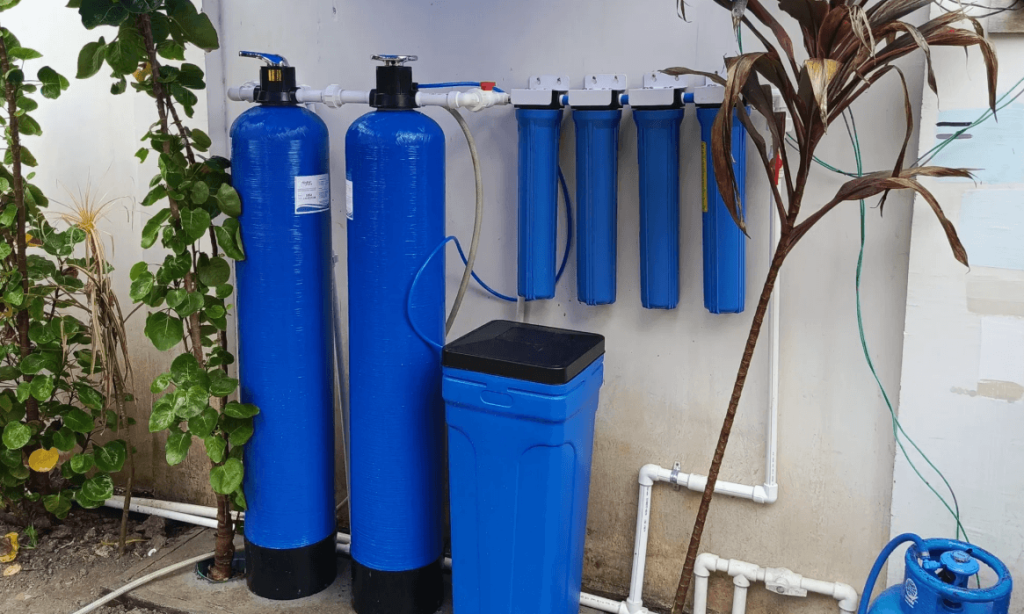
What’s a Water Filtration System?
In short, a water filtration system cleans your water by filtering out particles, chemicals and contaminants before the water gets to your tap.
Here’s what you need to know: not all water is created equal. Depending on where you live, your water may include chlorine, sediment, heavy metals or bacteria. A filtration device is developed to address these specific concerns.
There are four types of system:
- Whole-house filtration systems
- Under-sink filters
- Reverse osmosis systems
- Carbon filters
They all operate a little differently, but each one employs the same basic idea — filter out what you don’t want and keep the water clean and safe.
What is the Home Water Filtration System Working Principle? (Step-by-Step)
So how does a water filtration system work, let’s talk about the different stages behind what happens when you turn the faucet on.
Sediment Filtration
This is where everything starts.
The water flows into the system and through a sediment filter. This removes:
- Dirt
- Sand
- Rust
- Debris
It’s a sort of pre-filter — keeping the rest of the system from getting clogged.
Carbon Filtration (Removes odor and taste)
Next comes activated carbon filters.
These are responsible for removing:
- Chlorine
- Bad taste and odor
- Some chemicals
The bottom line is: If your water smells like a swimming pool, this stage sets it right.
Advanced Filtration (Deep Cleaning Stage)
Depending on your configuration, this step can consist of:
- Reverse osmosis membranes
- UV purification
- Ion exchange
- Here, more serious pollutants are removed, such as:
- Heavy metals (lead, arsenic)
- Bacteria and viruses
- Dissolved solids
At One Green Filter, systems are guided by actual water testing — not guesswork — so this stage addresses what’s actually in your water.
Final Polishing Filter
Water passes through one final filter before it reaches your tap.
This ensures:
- Better taste
- Clear appearance
- No remaining particles
What You Don’t Realize About Water Filtration
Let’s be real—most folks don’t think twice about their water until things seem amiss.
But here’s what you need to think about:
Better Drinking Water
Filtered water has a cleaner, fresher taste. You’ll actually drink more of it.
Health Protection
It is also important to remove pathogens or contaminants to lower exposure to toxins.
Longer Appliance Life
Silt and hard water can be detrimental to:
- Dishwashers
- Washing machines
- Water heaters
A filtration system can help protect that investment.
Common Types of Water Filtration Systems
Not all systems are created equal. The right one for you depends on your needs.
Whole-House Filtration Systems
These treat all the water that flows into your home.
Best for:
Overall water quality
Protecting plumbing and appliances
Reverse Osmosis Systems
They tend to be installed under your kitchen sink.
Best for:
Drinking water
Removing dissolved contaminants
Water Softeners
As an All-Access member, you’ll receive: The best hunts and the tools you need to find success Technically it’s not a filter… but it goes hand in hand with filters.
Best for:
Reducing hard water minerals
Preventing scale buildup
DIY vs. Professional Installation
The honest answer to your question is yes; you can install some systems yourself.
But here’s what usually happens:
- Incorrect installation
- Poor filtration performance
- Frequent maintenance issues
This is the reason why many homeowners entrust professionals like One Green Filter to treat their water!
They first test your water, then recommend the appropriate system and install it correctly — there’s no guesswork involved.
Indications You Should Get a Water Filtration System
If you’re not sure if you need one, look for these signs:
- Water has an unpleasant taste or odor
- White spots on dishes or fixtures
- Have dry skin or hair after showering
- Visible particles in water
- Frequent plumbing issues
If any of this resonates, it is time to do something about it.
How to Select the Right System
This is what you should do:
- Test your water
- Identify the specific problems
- Pick a process designed for those problems
- For installation partner with a professional
At One Green Filter, real water conditions dictate every customized system—not generic reactionary solutions. That’s how you achieve consistent results over the long-term.
Maintenance: What to Expect
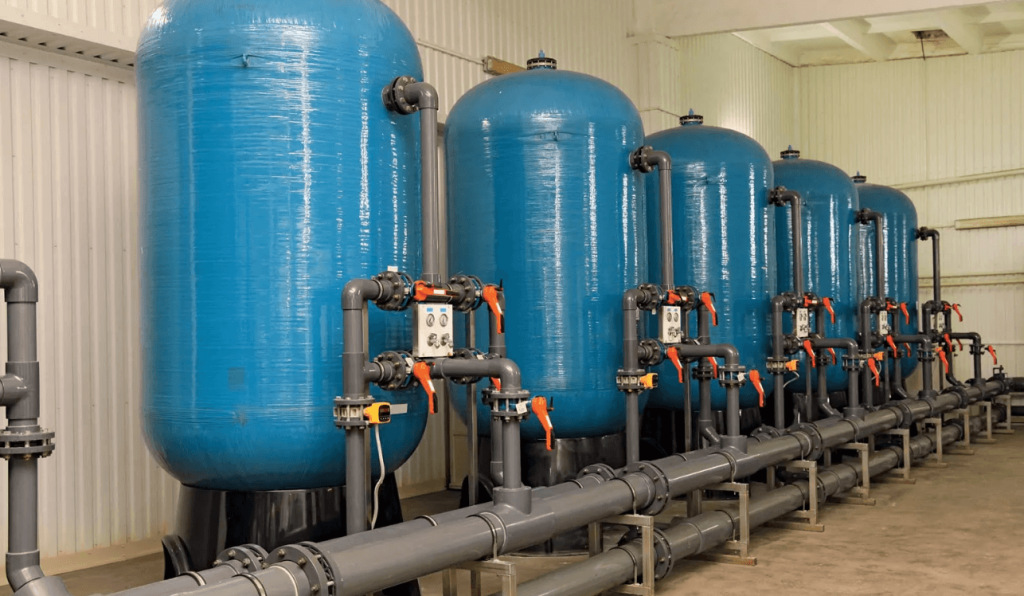
A filtration system isn’t “set it and forget it.”
You’ll need to:
- Replace filters regularly
- Check system performance
- Schedule occasional maintenance
The good news? Most modern systems require low maintenance and are built to last.
The Journey to Clean Water Starts with the Right System
By now, you should know how does a water filtration system work as well as why it’s an important investment to your home or business.
The truth is not so complicated — clean water is not a luxury. It’s an element you touch every day, and the quality of that water has ramifications for your health, your appliances and your overall comfort.
One Green Filter has assisted hundreds of families in replacing bottled water with reliable, eco-friendly solutions. And they help create customized solutions that deliver, from residential systems to office and commercial setups.
If you’re ready to improve your water quality, contact One Green Filter today for a professional water test and custom system recommendation. Get cleaner, safer water—starting now.
Frequently Asked Questions
1. How often should I replace water filters?
Most filters need replacement every 3–12 months, depending on usage and water quality.
2. Can a water filtration system remove bacteria?
Yes, advanced systems like UV filters or reverse osmosis can remove bacteria and viruses.
3. Is filtered water better than bottled water?
In most cases, yes. It’s more cost-effective and reduces plastic waste.
4. Do water filtration systems affect water pressure?
Some systems may slightly reduce pressure, but properly installed systems minimize this issue.
5. What’s the difference between a water softener and a filter?
A water softener removes minerals that cause hardness, while a filter removes contaminants like chlorine and sediment.