
What Is a Water Softener System and How Does It Work?
What is a water softener system? It’s a home water treatment system that removes hard minerals like calcium and magnesium from your water so your plumbing, appliances, skin, and hair don’t suffer the consequences. If you live in Florida—especially around Tampa Bay—you’re likely dealing with hard water. That’s where One Green Filter, Tampa Bay’s top Water Softener, Purification & Filtration Expert, comes in.
Let’s cut to the chase. Hard water spots dishes, dries out your skin and accelerates the life of appliances while making soap less effective. A well-installed system solves that. Here’s the crucial part: if your water leaves behind white residue, fills in drain holes or makes clothing stiff (and not in a good way), you likely need one.
Key Takeaways
- A water softener removes calcium and magnesium from hard water.
- Soft water protects plumbing, appliances, and fixtures.
- It improves soap efficiency, skin comfort, and laundry results.
- Professional installation ensures correct sizing and long-term performance.
- Water testing is the first step before choosing a system.
What Makes Water “Hard”?
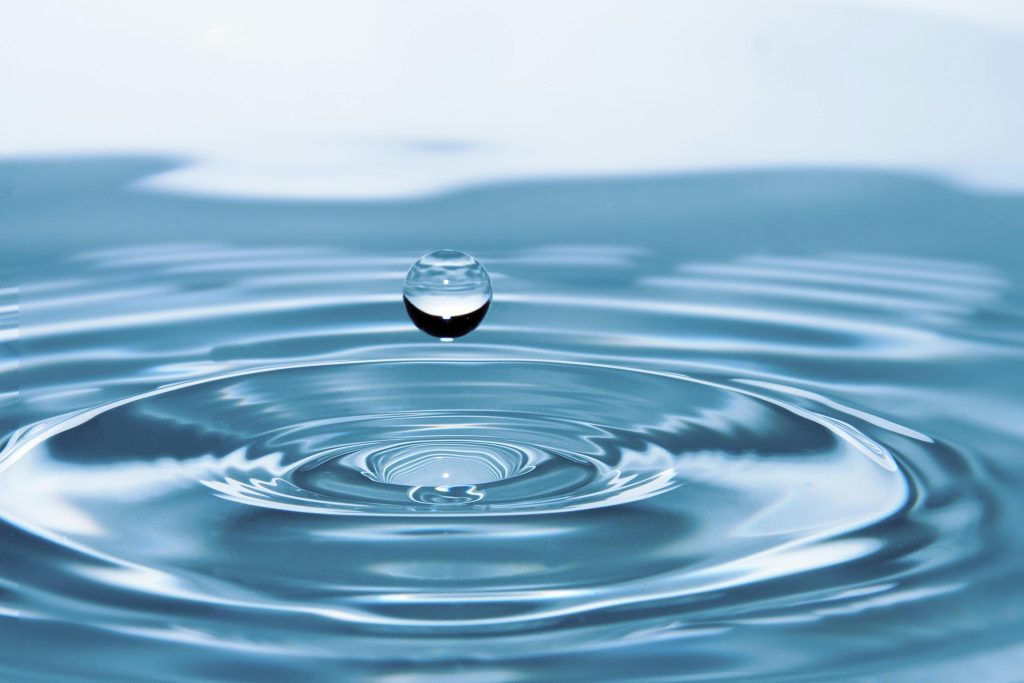
Hard water has minerals dissolved in it, mainly calcium and magnesium. These minerals are dissolved when water travels through limestone and underground rock, which is prevalent in Florida.
The issue isn’t that hard water is unfit to drink. It’s the long-term harm it does:
- Scale buildup inside pipes
- Shorter lifespan of water heaters
- Reduced water pressure
- Higher soap and detergent use
- Dry skin and brittle hair
If you’re constantly cleaning shower glass, or changing out faucets, hard water is usually the issue.
How Does a Water Softener Work?
Most conventional systems rely on a process known as ion exchange. Here’s the simple version:
- The first step is where hard water comes into a tank with resin beads.
- These are beads coated with sodium or potassium ions.
- The sodium is displaced by calcium and magnesium.
- The water then travels through the system and into your home.
Over time the resin beads become saturated with minerals. That’s when the system enters “regeneration mode,” flushing out the collected minerals with a salt brine solution.
It’s automatic. You don’t have to babysit it — just refill the salt when it runs low.
Key Parts of a Water Softener System
A typical system includes:
- Mineral Tank – Contains the resin beads to remove hardness.
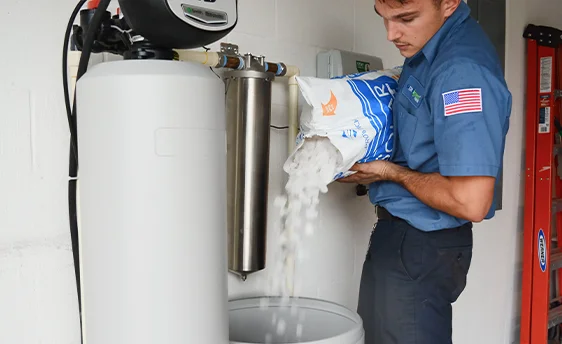
- Brine Tank – Holds the salt for regeneration.
- Control Valve – Controls water flow and regeneration cycles.
- Bypass Valve – Lets you temporarily bypass the system.
What you need to do: Always ensure that your system is properly sized for your household. Too big or too small systems waste energy. That’s why it’s important to have a professional test water and design systems.
Advantages of Installing a Water Softener
Let’s keep this practical. Here’s what you actually gain:
Longer-Lasting Appliances
Soft water does a better job with water heaters, dishwashers and washing machines. Scale buildup is one of the primary causes for appliances to fail prematurely.
Lower Energy Bills
Such a water heater has to work harder. Soft water helps keep heating elements clean, which increases efficiency.
Better Skin and Hair
If your skin feels tight post-shower, it’s often due to hard water residue. Soft water rinses clean.
Cleaner Dishes and Fixtures
No more cloudy eyeglasses or white crust around faucets.
Reduced Soap Usage
Soft water lathers better. That means less soap in the laundry and shampoo in your hair.
In homes throughout Tampa Bay, we’ve witnessed families astonished at the change just days after installation.
Salt vs. Salt-Free Systems
There are two common types:
Salt-Based Water Softeners
- Use ion exchange
- Physically remove hardness minerals
- Best suited for higher ranges of hardness
Salt-Free Conditioners
- Don’t remove minerals
- This can reduce buildup in scale
- Less upkeep, but no real softening
In its most common usage, however — meaning what is a water softener system — you are referring to the salt-based ion exchange system.
Due to the high hardness levels in many areas of Florida, salt-based systems often do a better job at softening than alternatives.
Do You Really Need One?
Here’s a simple checklist:
- White spots on dishes?
- Chalky buildup on shower heads?
- Stiff laundry?
- Too many water heater repairs more often than you thought?
- Skin that’s dry and doesn’t get better with lotion?
If you answered yes to two or more, you may need to test your water.
At One Green Filter, every system begins with actual water testing—not speculation. Water is different in every home, so systems are tailored based on actual hardness levels.
Professional Installation vs DIY
You can buy a system online. But here’s the honest truth.
DIY installation often leads to:
- Improper sizing
- Plumbing code violations
- Leaks
- Inefficient regeneration cycles
A haphazardly installed unit can end up costing more in repairs than hiring a professional to do the job right from the get-go.
One Green Filter designs and installs systems using only quality components, installed to the highest standard. This is not only about soft water, it is about safeguarding your plumbing investment.
Maintenance: What to Expect
But water softeners aren’t zero maintenance.
You’ll need to:
- Add salt every 4–6 weeks (or as needed)
- Schedule occasional system checks
- Clean the brine tank annually
- Reapply resin after several years (if necessary)
Most of the modern systems are much more reliable and efficient. With proper care, they can live 10–15 years or more.
How This Fits Into a Whole-Home Water Solution
A softener handles hardness. But it does not remove chlorine, contaminants or enhance the taste of drinking water.
That’s why many homeowners combine a softener with:
- Whole-house filtration
- Reverse osmosis drinking systems
- Carbon filters
This ensures clean, safe and comfortable water at all your taps.
For office and industrial spaces, tannins treat the water properly which reduces maintenance calls and prolongs equipment lifespan; it’s also one reason why so many local businesses turn to professional water treatment solutions.
Cost Considerations
The price varies depending on:
- Water hardness level
- Household size
- Plumbing layout
Type of system
You can get cheaper entry-level systems, but the better systems are more cost-effective in the long run.
If you get serious about protecting your home’s plumbing and appliances, invest in a system specifically designed for your water conditions.
Is It Worth it?
Let’s be straightforward.
If you live in a part of the world that experiences hard water — and much of Tampa Bay does because of limestone aquifers — putting a water softener is not a luxury. It’s preventive maintenance for your whole plumbing system.
Knowing what is a water softener system will help you to make an informed choice. It’s about more than better showers. It’s about appliances that last longer, fewer repairs and a more pleasant daily routine.
One Green Filter has supported hundreds of families and businesses in reducing single-use plastic waste while enjoying cleaner, safer water. So if you’re struggling with hard water, here’s what you need to do: Book a professional water test and find a system designed for your home.
Call One Green Filter today to schedule your free water test and see the difference soft water makes.
Frequently Asked Questions
1. How do I know if my water is hard?
Signs include white buildup on faucets, cloudy glassware, dry skin, and reduced soap lather. A professional water test gives exact hardness levels.
2. Is softened water safe to drink?
Yes. Salt-based systems add a small amount of sodium, but it’s generally minimal. Drinking systems like reverse osmosis can further purify water.
3. How long does a water softener last?
Most systems last 10–15 years with proper maintenance.
4. Does a water softener increase water bills?
It uses a small amount of water during regeneration, but the savings from appliance efficiency often offset this.
5. Can I install a water softener myself?
It’s possible, but professional installation ensures correct sizing, plumbing compliance, and long-term performance.